

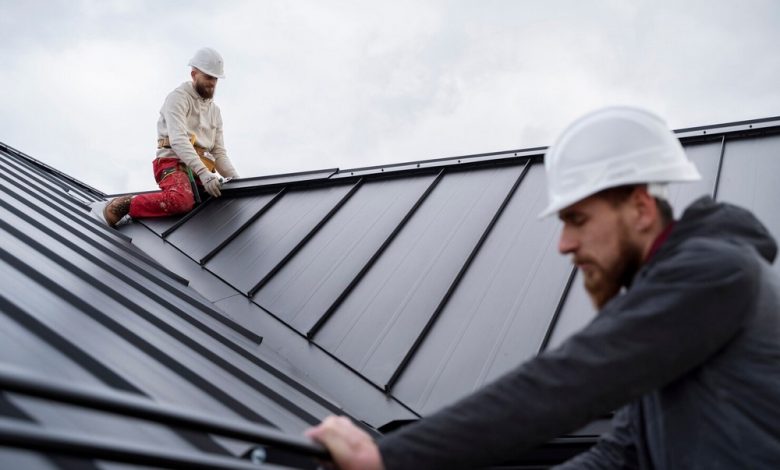
The roof is the most critical protective barrier of any residential structure. It bears the brunt of extreme weather anomalies, resisting intense solar radiation, torrential downpours, heavy snow loads, and high-velocity winds. When a roof fails, the structural integrity of the entire home is immediately compromised, paving the way for interior water damage, toxic mold colonization, and weakened structural framing.
Historically, roofing choices were dictated almost entirely by initial installation costs and basic aesthetic preferences. However, the modern residential construction landscape leverages advanced material science, structural engineering, and smart technologies to treat the roof as an active performance system. Investing in smart roofing solutions is a strategic approach to enhancing property longevity, cutting energy expenditures, and eliminating premature replacement cycles.
Material Science Innovations for Extreme Longevity
The durability of a roof depends significantly on the chemical composition and physical engineering of its outermost layer. Standard asphalt shingles, while cost-effective upfront, degrade rapidly under intense ultraviolet exposure and thermal cycling. Modern alternatives focus on molecular stability and impact resistance.
Synthetic and Composite Shingles
Synthetic roofing tiles represent a major leap forward in material longevity. Fabricated from advanced polymers, recycled plastics, and engineered rubbers, these shingles replicate the classic look of natural slate or hand-split wood shakes with remarkable accuracy.
Unlike natural materials, synthetic tiles do not absorb water, eliminating the risk of freeze-thaw cracking, rot, or moss growth. They achieve the highest rating for impact resistance, meaning they can withstand heavy hail strikes that would fracture standard shingles or split natural wood. Furthermore, synthetic options are exceptionally lightweight, reducing the dead-weight structural load on the framing of your home.
Metal Roofing Networks
Metal has moved out of the commercial sector and into high-end residential design. Modern aluminum, steel, and copper roofing systems are engineered as interlocking panels that form a continuous, weatherproof skin.
-
Wind Uplift Resistance: Because the panels interlock and are secured with concealed fasteners, metal roofs can withstand hurricane-force winds that easily strip traditional asphalt materials away.
-
Fire Mitigation: Metal is completely non-combustible, earning it a Class A fire rating, which is critical for homes located in regions prone to wildland-urban interface fires.
-
Corrosion Resistance: Advanced zinc-aluminum alloys and specialized polyvinylidene fluoride coatings protect the metal from oxidation, acid rain, and salt-spray degradation in coastal environments.
Advanced Underlayment and Sub-Structural Security
While shingles and panels serve as the visible defense mechanism, the underlying infrastructure of the roof assembly dictates how well the home manages moisture and thermal stress over time.
Synthetic Underlayments Versus Traditional Felt
For generations, asphalt-saturated felt paper was the default secondary water barrier installed beneath the roof covering. Felt paper is structurally fragile, prone to tearing during installation, and degrades quickly if exposed to moisture or extreme heat inside the attic space.
Smart roofing infrastructure relies on engineered synthetic underlayments. Fabricated from woven or spun-bonded polypropylene, these modern underlayments are virtually impervious to tearing, do not absorb moisture, and resist ultraviolet degradation for months during active construction. They lie flatter on the roof deck, creating a tighter seal that prevents wind-driven rain from penetrating the plywood decking if the outer shingles are ever damaged.
Ice and Water Shields in Vulnerable Zones
In cold climates, ice dams pose a severe threat to home durability. Ice dams form when heat escaping from the attic melts snow on the upper roof, causing water to flow down to the cold eave lines, where it refreezes. This creates a solid block of ice that traps subsequent snowmelt, forcing water backward underneath the shingles.
Installing self-adhering polymer-modified bitumen membranes along the eaves, valleys, and around roof penetrations creates an absolute waterproof seal. These membranes adhere directly to the wooden roof deck and seal tightly around the shafts of the roofing nails, ensuring that even if water backs up due to ice or debris, it cannot leak into the home framing.
Dynamic Ventilation and Thermal Management
A roof system must breathe to remain durable. Improper thermal regulation inside the roof cavity is a primary cause of premature shingle failure and sub-structural wood rot.
Continuous Ridge and Soffit Balancing
An unventilated attic space can reach temperatures exceeding one hundred and fifty degrees Fahrenheit during summer months. This extreme heat bakes the shingles from underneath, accelerating their chemical breakdown and drying out the roof deck. In winter, trapped humidity from showering, cooking, and breathing migrates into the cold attic, condensing on the underside of the roof deck and promoting structural wood rot.
Smart ventilation architecture establishes a continuous, passive airflow loop using a balanced ridge and soffit system. Intake vents installed along the lower soffits pull cool outdoor air into the attic, while continuous ridge vents installed at the peak of the roof allow rising hot, humid air to escape naturally via convective currents. This continuous air exchange stabilizes attic temperatures, matching them closely to outdoor conditions and protecting the roof assembly from both sides.
Solar-Powered Attic Fans
In complex roof designs where natural passive ventilation pathways are restricted by structural valleys or dormers, active ventilation becomes necessary. Solar-powered attic fans offer a smart, self-sustaining solution. These units feature integrated photovoltaic panels that power internal fans during peak daylight hours. Because they operate solely on solar energy, they run hardest when the sun is most intense and thermal loads are at their peak, actively lowering attic temperatures without adding to your home electrical utility bill.
Smart Integration and Predictive Monitoring
As technology integrates deeper into residential infrastructure, the roof is no longer a passive entity. New technologies allow homeowners to monitor structural health and generate clean energy directly from the building envelope.
Integrated Solar Shingles and Photovoltaic Glass
Traditional solar panel installations require mounting heavy racks onto an existing roof, drilling hundreds of holes through the water barrier, and creating potential leak points. Smart roofing solves this through building-integrated photovoltaics.
Solar shingles function simultaneously as a protective, waterproof roof covering and a clean energy generator. Fabricated from tempered glass and high-efficiency photovoltaic cells, these shingles blend seamlessly into the surrounding roofline. They protect the home structure with the same durability as high-end tiles while generating electricity, eliminating the structural vulnerabilities associated with traditional bolt-on solar arrays.
Leak Detection Systems
Advanced smart roofs can be embedded with low-profile electronic leak detection sensors within the underlayment layers or along critical valley lines. These sensors monitor electrical conductivity or moisture levels within the sub-structural envelope. If water penetrates the outer shingle layer, the system instantly alerts the homeowner via a digital application, pinpointing the exact location of the breach long before visible water stains appear on interior drywall ceilings.
Frequently Asked Questions
What is the difference between a cool roof coating and standard roof paint?
Standard roof paint is purely cosmetic and offers minimal protection against thermal degradation. A certified cool roof coating is an engineered elastomeric polymer fluid that contains highly reflective pigments. These specialized coatings reflect up to eighty percent of solar radiation and possess high thermal emittance, meaning they actively radiate heat away rather than absorbing it into the structure, drastically lowering the thermal stress placed on the underlying roofing materials.
How does the pitch of a roof affect its overall durability over time?
The slope or pitch of a roof directly impacts how efficiently it sheds water, snow, and debris. Low-slope or flat roofs are highly susceptible to standing water, which accelerates material breakdown and increases the likelihood of leaks through seam failures. Steep-slope roofs shed water instantly and are less prone to ice dam formation, but they experience higher wind uplift forces during severe storms, requiring specialized mechanical fastening systems to remain stable.
Why is a drip edge metal flashing critical for preventing roof deck rot?
A drip edge is an L-shaped metal flashing installed along the outermost perimeter edges of the roof deck beneath the underlayment. Without a drip edge, water running off the shingles can cling to the edge of the fascia boards via capillary action, flowing backward underneath the shingles and rotting the edge of the plywood decking. The drip edge forces water to break clean away from the roofline, directing it safely down into the gutters or away from the foundation.
Can installing a radiant barrier in the attic damage the roof shingles?
When installed correctly on the underside of the roof rafters rather than directly against the roof decking, a radiant barrier will not damage shingles. Extensive field testing by building scientists has demonstrated that a radiant barrier only increases shingle temperatures by an insignificant two to five degrees Fahrenheit, which falls well within the normal operating temperature limits of modern roofing materials, while blocking up to ninety-seven percent of radiant heat from entering the attic space.
What is a self-healing roofing membrane, and how does it function?
Self-healing membranes are advanced rubberized asphalt underlayments utilized in highly vulnerable zones of the roof. When a roofing nail or screw punctures the membrane during installation, the highly elastic, rubberized bitumen compound naturally flows around the shaft of the fastener, creating a watertight gasket seal. This ensures that even under severe wind vibrations or structural movement, water cannot seep past the nail holes into the wooden decking below.
How do modern snow guards protect the structural integrity of a roof?
In cold regions, metal or synthetic roofs can allow massive blocks of accumulated snow and ice to slide off all at once, a phenomenon known as a roof avalanche. This sudden release of weight can warp metal panels, rip gutters completely off the eaves, and present a severe hazard to structures or people below. Snow guards are small, strategically placed brackets anchored across the roof surface that break up the snowpack, allowing it to melt and shed in small, harmless increments.


